Innovative Technology Trends in Residential Electrical Installations
Table Of Contents
Smart Circuit Breakers
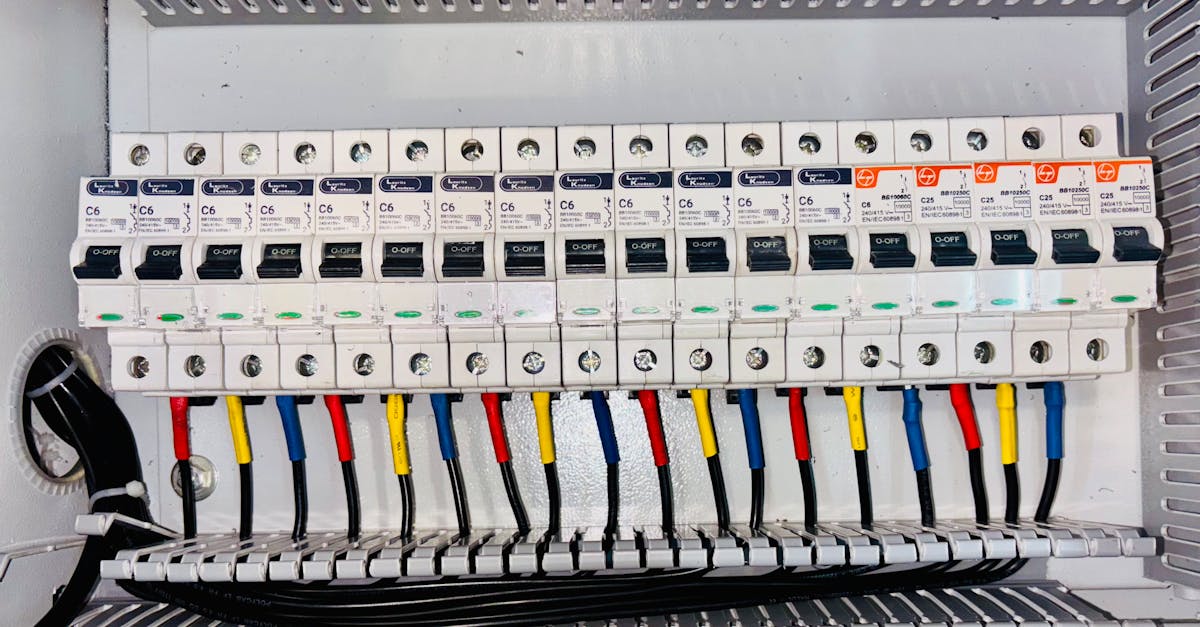
The shift towards smart circuit breakers marks a significant advancement in residential electrical systems. These devices not only provide overload protection but also integrate smart technology that allows homeowners to monitor energy consumption in real-time. With the help of mobile apps, users can track usage patterns, receive alerts on abnormal activity, and even set up automated shut-off protocols to enhance safety.
The enhanced safety features of smart circuit breakers play a vital role in preventing electrical fires and ensuring overall home safety. They can detect faults and anomalies much faster than traditional breakers, often responding in milliseconds. This rapid response capability reduces the risk of damage to appliances and electrical systems, making homes safer and more energy efficient.
Enhancements in Safety and Monitoring
The emergence of smart circuit breakers has significantly raised the bar for safety standards in residential electrical installations. These advanced devices offer real-time monitoring of electrical loads, providing homeowners with immediate insights into potential issues. By detecting anomalies such as overloads or short circuits, smart circuit breakers can automatically disconnect power to prevent electrical fires and damage. This proactive approach reduces the risk of accidents, giving homeowners peace of mind knowing their electrical systems are under constant surveillance.
In addition to enhanced safety features, smart circuit breakers often integrate with home networks to allow remote monitoring and management. Homeowners can receive alerts on their smartphones regarding unusual activity or power usage, enabling prompt action when necessary. This level of monitoring extends beyond safety; it encourages energy efficiency by allowing users to identify and address excessive energy consumption. Overall, the integration of smart technologies into circuit breakers transforms them from mere safety devices into vital components of a modern, secure home environment.
Wireless Electrical Installations
The rapid emergence of wireless technology has significantly influenced how electrical systems are installed in homes. This trend allows for fewer wires and less invasive installation processes. Homeowners appreciate the flexibility and convenience that wireless systems provide. Installation becomes less disruptive to living spaces, making it easier to adapt to changes in room layout or function. As advancements continue, more devices are becoming compatible with these systems, promoting further integration within households.
Wireless installations extend beyond basic electrical needs. They facilitate smart home ecosystems which connect lighting, appliances, and security systems seamlessly. This integration not only enhances user experience but also improves energy efficiency and control. Homeowners can monitor their energy usage remotely, adjust settings from anywhere, and receive alerts for unusual activity. These capabilities transform home management into a streamlined process while supporting the broader trend towards smart living environments.
The Rise of Wireless Technology
The adoption of wireless technology in residential electrical installations is reshaping how homes function. Traditional wiring systems often limited flexibility in design and placement, making it challenging to adapt spaces as needs evolved. With advancements in wireless capabilities, homeowners can now optimise layouts without being constrained by physical cables. Devices such as smart switches and plugs enable remote control and automation, significantly enhancing convenience.
This shift towards wireless solutions also promotes energy efficiency. Homeowners have greater control over their energy consumption, with systems allowing for real-time monitoring and adjustment of usage patterns. Wireless sensors and IoT devices can track energy flow and provide insights into overall efficiency. As these technologies become more affordable and accessible, their integration into everyday life is set to increase.
Home Automation Systems
Advancements in home automation systems have significantly altered the landscape of modern living. These systems bring together various smart devices, allowing homeowners to control lighting, heating, and security from a single platform. Integration with smartphones and voice-activated assistants has made it easier for residents to manage their homes while enhancing convenience and energy efficiency.
The availability of programmable automation options empowers users to tailor their home environments to fit their routines. Automated schedules can adjust settings based on occupancy, ensuring optimal energy use. Enhanced security features such as remote monitoring and smart locks provide added peace of mind. As technology continues to evolve, these systems are becoming increasingly sophisticated, creating opportunities for further innovative applications in everyday life.
Transforming Daily Living Experiences
Home automation systems have reshaped the way individuals interact with their surroundings. With the integration of smart devices, managing lighting, heating, and security can now be done seamlessly using smartphones or voice commands. This shift has enhanced convenience, enabling users to tailor their environments to their preferences with ease.
The ability to control multiple systems from a single interface also improves energy efficiency. Homeowners can monitor energy consumption in real-time and make adjustments as needed, ultimately leading to cost savings. Additionally, automation systems can be programmed for different scenarios, further simplifying daily routines and enhancing overall comfort.
FAQS
What are smart circuit breakers, and how do they enhance safety?
Smart circuit breakers are advanced electrical devices that can monitor energy usage and detect faults in real-time. They enhance safety by automatically shutting off power in case of overloads or short circuits, reducing the risk of electrical fires and damage.
How does wireless technology improve electrical installations in homes?
Wireless technology allows for easier and more flexible electrical installations by eliminating the need for extensive wiring. This technology enables devices to communicate without physical connections, making it simpler to upgrade or reconfigure systems as needed.
What are home automation systems, and what benefits do they offer?
Home automation systems integrate various smart devices to control lighting, heating, security, and appliances from a central hub or remotely via smartphone apps. They offer benefits such as increased convenience, energy efficiency, and enhanced security.
Are there any drawbacks to using smart circuit breakers?
While smart circuit breakers provide many advantages, potential drawbacks include a higher initial cost compared to traditional breakers and the need for a reliable internet connection for full functionality. Additionally, they may require professional installation.
Can I install a wireless electrical system in an older home?
Yes, you can install a wireless electrical system in an older home, but it may require some modifications to accommodate the technology. Consulting with a qualified electrician is advisable to assess compatibility and ensure safety during the installation process.
Related Links
The Role of Energy Efficiency in Residential Electrical InstallationsHow to Ensure Compliance in Residential Electrical Installations
How to Choose the Right Fixtures for Your Electrical Installations
Factors That Influence the Cost of Residential Electrical Installations
Step-by-Step Guide to Planning Your Electrical Installation
Essential Tools Used in Residential Electrical Installations
Common Residential Electrical Installation Projects in Adelaide
Understanding the Process of Residential Electrical Installations in Adelaide
Top Tips for Hiring a Residential Electrician for Installations