The Role of Compliance in Ensuring Safe Electrical Installations
Table Of Contents
Consequences of Non-Compliance
Neglecting compliance can lead to severe legal repercussions for contractors and property owners. Non-adherence to established electrical codes can result in fines, penalties, and even criminal charges in some extreme cases. Moreover, insurance policies may become void if non-compliance is discovered following an incident, further complicating matters for those involved.
The financial implications of non-compliance extend beyond immediate penalties. Costs can escalate significantly due to the need for remedial work or modifications to meet regulations. Inadequate installations may also lead to potential injury or property damage, carving out a significant financial burden in compensation claims and liability issues. Ensuring compliance not only fosters safety but also safeguards against these detrimental consequences.
Legal and Financial Repercussions
Non-compliance with electrical safety regulations can lead to severe legal consequences. Infractions may result in substantial fines imposed by regulatory authorities. In more serious cases, individuals or companies could face criminal charges for negligence. Such legal actions can not only tarnish reputations but also lead to costly legal proceedings.
Financial repercussions extend beyond fines and legal fees. Non-compliance can necessitate expensive remediation efforts to rectify unsafe installations. Insurance companies may also refuse to cover losses related to non-compliant work, leaving responsible parties liable for damages. Furthermore, businesses may suffer from lost contracts and decreased consumer trust as safety practices become a significant decision-making factor for clients.
Best Practices for Compliance
Ensuring compliance with electrical standards begins with a thorough understanding of local regulations and codes. Familiarity with the Australian Standards that govern electrical installations is crucial for electricians and contractors. Regular training and education can help professionals stay updated on changes to these standards. Access to resources such as industry guidelines and workshops enhances knowledge, allowing for better adherence to safety requirements during installations.
Incorporating systematic checks and documentation is vital for promoting compliance. Keeping accurate records of materials used, inspections conducted, and any modifications made during the installation process aids in tracking compliance efforts. Encouraging open communication among team members fosters an environment where safety and adherence to standards are prioritised. Establishing a culture of accountability not only helps in detecting potential compliance issues early but also reinforces the importance of following best practices in every project.
Steps to Achieve Safe Installations
Creating a solid foundation for safe electrical installations begins with thorough planning and design. It is crucial to engage qualified professionals who understand the local codes and regulations governing electrical work. During the design phase, factors such as load calculations, circuit layout, and safety devices should be taken into account. Ensuring that all components meet the required standards helps in averting potential hazards down the line.
The actual installation process demands strict adherence to safety protocols and guidelines. Electricians must use approved materials and tools, following manufacturer instructions closely. Regular communication with relevant authorities can also provide clarity and guidance. After the installation is complete, it is essential to conduct tests to verify that the systems operate correctly and safely, ensuring reliability and compliance with established standards.
Electrical Inspections and Compliance
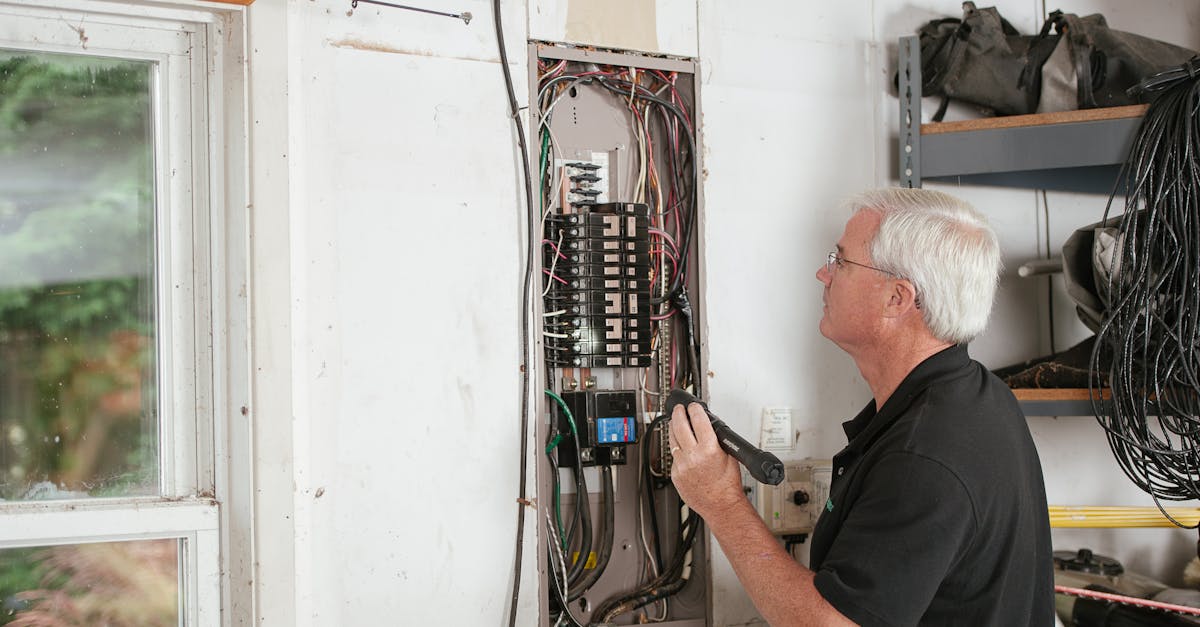
Regular electrical inspections are critical in maintaining compliance with safety standards and regulations. These evaluations help to identify potential hazards early, ensuring that electrical installations adhere to the requisite codes. By pinpointing issues before they escalate, property owners can mitigate risks associated with electrical faults, thereby enhancing overall safety.
Understanding the importance of periodic assessments cannot be overstated. Inspections conducted by qualified professionals not only validate compliance but also provide additional insights into the efficiency and integrity of electrical systems. Frequent evaluations facilitate timely updates and repairs, fostering a safer environment for occupants whilst reducing the likelihood of costly legal and financial repercussions associated with non-compliance.
Importance of Regular Assessments
Regular assessments play a crucial role in maintaining safety standards within electrical installations. They help identify potential hazards that may arise over time due to wear and tear or changes in the environment. Conducting thorough evaluations ensures compliance with current regulations and standards, ultimately safeguarding users from risks associated with faulty systems.
The frequency of these assessments can significantly impact overall safety. Scheduled inspections allow for timely interventions that can prevent minor issues from escalating into serious problems. This proactive approach not only enhances the longevity of electrical systems but also reinforces a culture of safety compliance within organisations. Regular assessments are essential for minimising risks and promoting responsible practices in the electrical industry.
FAQS
What are the main consequences of non-compliance in electrical installations?
Non-compliance can lead to serious safety hazards, legal issues, financial penalties, and damage to property. It can also result in increased insurance premiums and potential loss of business reputation.
What legal repercussions can arise from non-compliant electrical work?
Legal repercussions may include fines, lawsuits, and regulatory penalties. Non-compliance can also lead to criminal charges in severe cases, especially if negligence results in injury or property damage.
What are some best practices for ensuring compliance in electrical installations?
Best practices include staying updated on local electrical codes and regulations, using qualified electricians, conducting regular training, and implementing a robust safety management system.
What steps should be taken to achieve safe electrical installations?
Steps to achieve safe installations include planning and designing systems according to standards, ensuring proper materials and equipment are used, and conducting thorough inspections throughout the installation process.
How often should electrical inspections be conducted to ensure compliance?
Electrical inspections should be conducted regularly, typically at least annually, or more frequently depending on the nature of the electrical installations and any changes made to the system. Regular assessments help ensure ongoing compliance and safety.
Related Links
Essential Safety Training for Residential Electricians in AdelaideHow to Obtain Your Safety Certification as a Residential Electrician
The Consequences of Non-Compliance for Electricians in Australia
A Guide to Recognised Safety Certification Programs in Adelaide
Navigating the Safety Certification Process for Electrical Professionals
The Impact of Compliance Certifications on Customer Trust
Key Safety Certifications Required for Electricians in South Australia