Understanding Electrical Compliance Standards in Residential Settings
Table Of Contents
Importance of Qualified Electricians
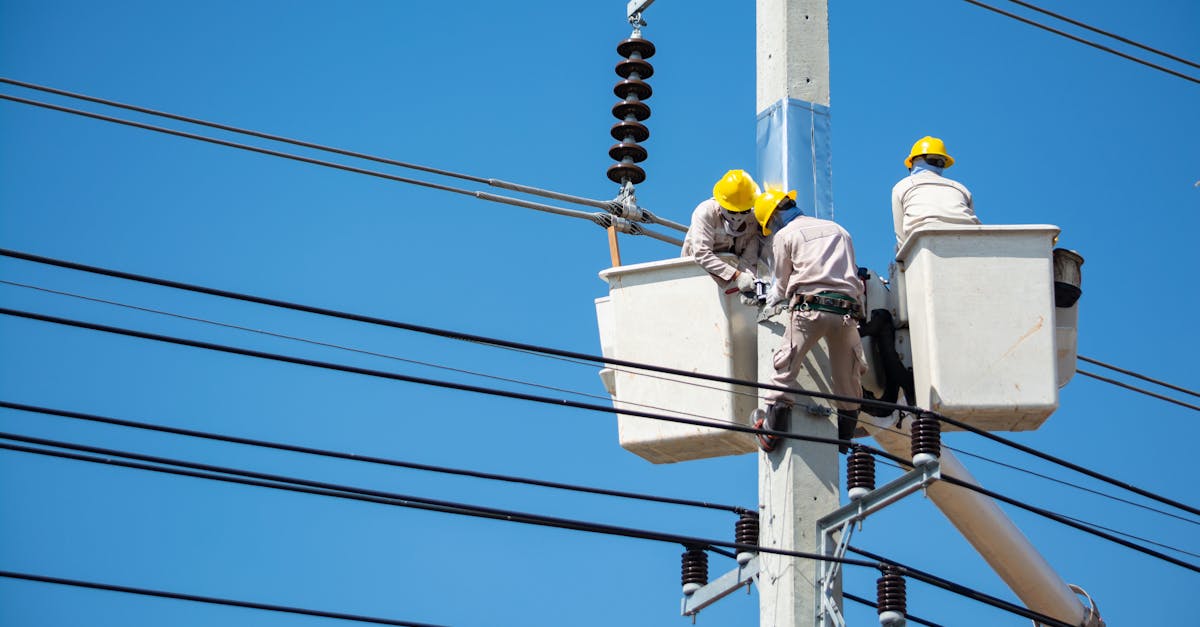
Qualified electricians play a crucial role in ensuring that all electrical work adheres to safety standards. Their training enables them to understand the intricacies of electrical systems, which reduces the risk of electrical failures and hazards. These professionals are equipped with the knowledge to identify potential issues during installation and maintenance. By relying on their expertise, homeowners can avoid common pitfalls that may lead to dangerous situations.
Moreover, hiring a licensed electrician ensures compliance with local regulations and codes. Non-compliance can result in costly fines and may also jeopardise home insurance coverage. Understanding these requirements goes beyond basic electrical knowledge; qualified electricians are familiar with the latest standards and practices. Engaging their services supports not only safety but also the overall integrity and value of the property.
What to Look for in a Licensed Professional
Choosing a qualified electrician is crucial for ensuring the safety and functionality of any electrical work. Look for professionals who hold the necessary licensing and certifications, which indicate their competency in adhering to local codes and regulations. It's advisable to check their qualifications with the relevant authorities to confirm their legitimacy. Additionally, consider their experience in residential electrical systems, as this can impact their ability to handle a variety of issues effectively.
Reputation plays a significant role when selecting an electrician. Seek out reviews and testimonials from previous clients to gauge their level of service and reliability. Personal recommendations can also provide valuable insights into a professional's work ethic and trustworthiness. Moreover, a licensed electrician should be open to providing references and should be insured, offering you peace of mind during the project.
Common Electrical Compliance Issues
In many residential settings, common electrical compliance issues often arise due to outdated wiring and improper installation techniques. Homeowners may face problems such as overloaded circuits, which can lead to overheating and potential fire hazards. Insufficient grounding of electrical systems is another frequent concern, posing increased risks of electrical shock. Unauthorised modifications to existing electrical work can further complicate matters, making it vital for homeowners to identify these issues promptly.
Another prevalent issue lies in the use of non-compliant electrical devices and fittings. Equipment that does not meet Australian Standards may be less efficient or even unsafe. Inadequate circuit protection is also a common problem that can lead to significant damage in the event of surges or faults. Understanding these issues not only helps in maintaining safety but also ensures that homes remain compliant with relevant regulations.
Identifying and Addressing Non-Compliance
Homeowners might not always be aware of existing electrical non-compliance issues, making proactive identification essential. Regular inspections can uncover problems such as outdated wiring, improper grounding, or the absence of safety devices like RCDs (Residual Current Devices) and smoke alarms. These inspections can be conducted by qualified electricians, who use standard checklists and criteria to determine whether a home meets local and national requirements.
Once non-compliance issues are identified, they require prompt resolution to ensure safety and adherence to standards. Working with a licensed electrician to rectify defects is crucial. They can provide guidance on necessary upgrades or repairs, ensuring all modifications align with current regulations. This collaborative approach not only secures the safety of the home but also enhances its value and compliance with insurance requirements.
The Compliance Verification Process
The compliance verification process involves a structured approach to ensuring that all electrical installations adhere to relevant standards and regulations. Initially, it requires a thorough inspection by a qualified electrician who will assess various aspects such as wiring, circuit breakers, and safety switches. This stage is critical in identifying any potential hazards that may compromise safety and functionality.
Following the inspection, necessary rectifications are made to address any deficiencies. A subsequent follow-up inspection may be needed to confirm that all fixes have been implemented correctly. Documentation of compliance, which includes inspection reports and certificates, serves as vital evidence that the electrical work meets Australian standards. This process not only safeguards the occupants but also enhances the overall integrity of the electrical system within the home.
Steps to Ensure Your Home Meets Standards
Regular inspections play a crucial role in maintaining electrical safety and compliance in residential properties. Homeowners should schedule professional assessments periodically to identify potential hazards, outdated installations, or non-compliant wiring. This proactive approach allows for timely repairs and upgrades, ensuring that all electrical systems meet current safety regulations. Keeping records of these inspections also provides valuable documentation for insurance purposes and when selling a property.
Another essential step is to stay informed about relevant electrical codes and standards. These regulations can vary by region and may change over time. Homeowners can consult local councils or regulatory bodies to obtain updated information on compliance requirements. Additionally, investing in educational resources or workshops focused on electrical safety can empower homeowners to recognise and rectify issues before they escalate. Engaging with qualified electricians for advice can further enhance understanding and adherence to these vital standards.
FAQS
What are electrical compliance standards?
Electrical compliance standards are regulations that ensure electrical installations are safe, reliable, and efficient. These standards help to protect people and property from electrical hazards.
Why is it important to hire a qualified electrician?
Hiring a qualified electrician is crucial because they have the necessary training and expertise to ensure that electrical work complies with safety standards and regulations, reducing the risk of accidents or electrical failures.
How can I identify common electrical compliance issues in my home?
Common electrical compliance issues include outdated wiring, improper installation of outlets and switches, lack of grounding, overloading circuits, and non-compliant fuse boxes. Regular inspections can help identify these problems.
What steps should I take if I discover non-compliance issues in my home's electrical system?
If you discover non-compliance issues, it’s important to contact a licensed electrician immediately to assess the situation. They can provide recommendations for repairs or upgrades to bring your system up to code.
What does the compliance verification process involve?
The compliance verification process involves a thorough inspection of electrical installations to ensure they meet current safety standards. This may include checking wiring, fixtures, and systems for proper installation and functionality.
Related Links
Common Safety Hazards Found During Electrical InspectionsHow to Prepare Your Home for an Electrical Safety Inspection
Key Compliance Regulations for Residential Electrical Systems
How Safety Inspections Contribute to Home Insurance Policies
The Consequences of Ignoring Electrical Safety Inspections
The Process of Electrical Safety Testing for Homes
Choosing the Right Electrician for Compliance Inspections in Adelaide
The Role of Safety Inspections in Preventing Electrical Fires
Importance of Regular Safety Inspections for Homeowners in Adelaide